The Advantages of High Volume Low Speed Fans in Modern Industrial and Commercial Spaces
In today’s increasingly energy-conscious world, businesses and facilities are constantly seeking efficient, sustainable, and cost-effective solutions to regulate air temperature and improve ventilation. One such solution that has gained widespread popularity across various industries is the High Volume Low Speed Fan These fans, often referred to as HVLS fans, are engineered to move large volumes of air at low rotational speeds, providing efficient air circulation and thermal comfort in large spaces like warehouses, factories, gyms, and commercial buildings.
What is a High Volume Low Speed Fan?
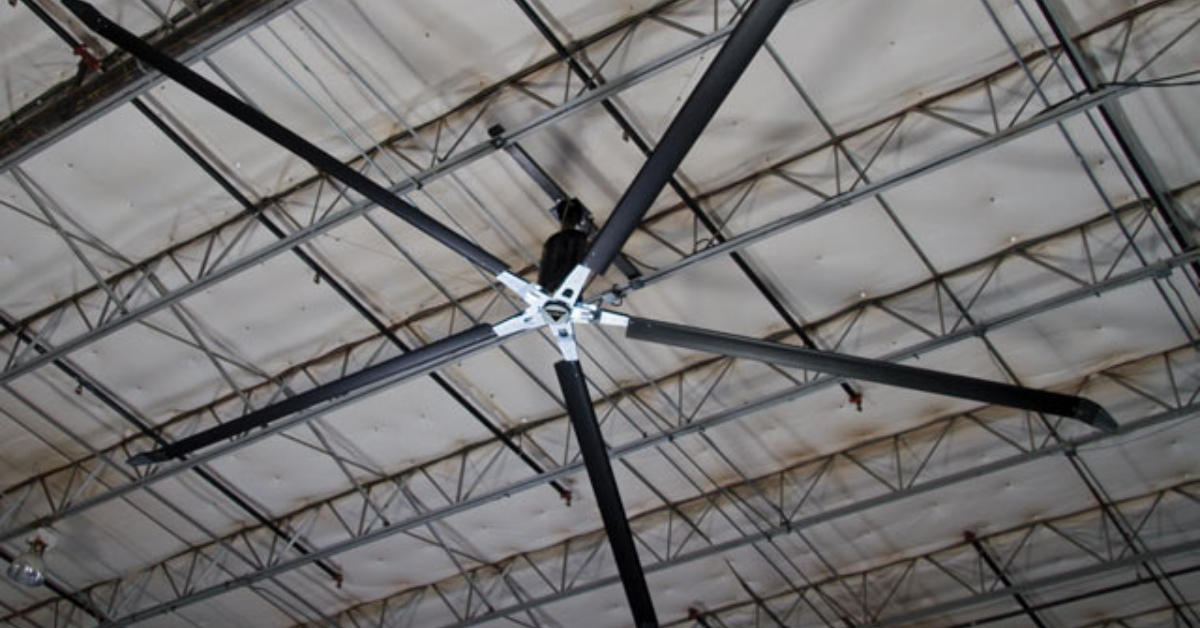
A High Volume Low Speed Fan, commonly abbreviated as HVLS fan, is a type of mechanical fan typically larger than traditional ceiling fans, with blade diameters ranging from 7 to 24 feet. Unlike high-speed fans that focus on fast, narrow airflow, HVLS fans are designed to operate at low speeds while moving a substantial volume of air. This combination ensures a gentle yet effective breeze that covers a wider area, improving overall air distribution without creating turbulence or noise.
These fans are typically mounted on ceilings and operate using advanced motor technology that allows them to consume minimal energy while maximizing output. Their primary purpose is to enhance comfort, reduce humidity, and support HVAC systems by ensuring even temperature distribution throughout a space.
Key Benefits of Using HVLS Fans
1. Energy Efficiency
One of the standout benefits of High Volume Low Speed Fans is their energy efficiency. Compared to traditional air conditioning or multiple high-speed fans, HVLS fans consume significantly less power. A single large HVLS fan can replace several smaller fans, thereby reducing energy consumption and maintenance costs. They are particularly effective in large, open areas where traditional HVAC systems struggle to circulate air evenly.
2. Enhanced Comfort and Air Quality
By creating a slow-moving air stream that covers a large area, HVLS fans improve perceived cooling by accelerating the evaporation of sweat on human skin. This phenomenon can make a room feel up to 10 degrees cooler without lowering the actual temperature. Additionally, HVLS fans help to eliminate stagnant air, reduce odors, and minimize condensation, all of which contribute to better indoor air quality and a healthier work environment.
3. Cost Savings
Installing HVLS fans can lead to significant cost savings in terms of both energy bills and maintenance expenses. Since these fans reduce the need for multiple smaller fans or overworking HVAC systems, they can contribute to lower utility costs. In winter, the reverse function on many HVLS fans allows them to push warm air trapped at the ceiling down to the occupied zone, improving heating efficiency and reducing heating costs.
4. Quiet Operation
Despite their size, High Volume Low Speed Fans are known for their quiet operation. The low RPMs (revolutions per minute) result in minimal noise generation, making them ideal for environments where noise can be disruptive, such as gyms, schools, libraries, and office spaces. The quiet performance ensures that productivity and communication are not affected by unwanted background noise.
5. Aesthetic and Functional Design
Modern HVLS fans are not only functional but also aesthetically pleasing. Manufacturers now offer sleek and contemporary designs that can complement various architectural styles. Whether used in a modern office or a rustic warehouse, HVLS fans can be integrated seamlessly into the design of a space, all while performing their primary task of air circulation.
Applications of HVLS Fans
High Volume Low Speed Fans are versatile and can be used in a wide range of settings. Below are some of the most common applications:
-
Industrial Warehouses: HVLS fans maintain consistent air temperature, reducing the burden on air conditioning systems and improving worker comfort.
-
Agricultural Facilities: In barns and greenhouses, these fans regulate temperature and humidity, promoting healthier conditions for animals and plants.
-
Gyms and Fitness Centers: HVLS fans ensure a constant flow of fresh air, helping reduce odors and improve the overall workout environment.
-
Retail Stores and Commercial Spaces: They enhance customer comfort by providing a balanced indoor climate.
-
Airports and Large Halls: These fans are excellent for large public spaces that require continuous air movement without overwhelming noise.
Choosing the Right HVLS Fan for Your Needs
When selecting a High Volume Low Speed Fan, several factors must be considered:
-
Size of the Space: Larger areas may require fans with wider blade spans or multiple fans for full coverage.
-
Ceiling Height: HVLS fans are ideal for high-ceiling environments; their downward airflow pattern works best when there’s adequate vertical space.
-
Purpose and Use: Consider whether the fan will be used for cooling, dehumidification, or air circulation, and choose a model accordingly.
-
Energy Consumption: Opt for energy-efficient motors, such as brushless DC motors, which offer better performance and lower operating costs.
-
Control Features: Many modern HVLS fans come with remote or automated control systems that allow for convenient operation and integration with smart building systems.
The Growing Demand for Sustainable Cooling
As awareness of climate change and environmental responsibility grows, more companies are prioritizing sustainable cooling and ventilation systems. High Volume Low Speed Fans provide a greener alternative to traditional cooling methods by consuming less energy and reducing reliance on HVAC systems. This not only benefits the environment but also aligns with corporate social responsibility (CSR) goals and green building certifications like LEED.
Moreover, governments and industry regulators in many countries, including Singapore, are encouraging the adoption of energy-efficient solutions in commercial and industrial sectors. This trend further boosts the popularity of HVLS fans among facility managers and building owners who are keen to meet regulatory standards and minimize environmental impact.
Maintenance and Longevity
Another advantage of HVLS fans is their low maintenance requirement. Built using durable materials and advanced engineering, these fans are designed to operate for years with minimal intervention. Routine inspections, occasional cleaning, and checking of electrical connections are usually sufficient to ensure long-term performance. Unlike traditional fans that may break down more frequently due to higher speeds and smaller components, HVLS fans have fewer moving parts and are less prone to wear and tear.
Conclusion
A High Volume Low Speed Fan is more than just an oversized ceiling fan—it is a powerful, energy-efficient tool that plays a crucial role in improving comfort, reducing costs, and supporting sustainable practices in various environments. From factories to gyms, and retail stores to greenhouses, the adoption of HVLS fans continues to grow as more businesses recognize their long-term value.
With benefits ranging from reduced energy consumption and noise to better air quality and cost savings, HVLS fans represent a smart investment for any facility looking to enhance its environmental control systems. As technology advances and the demand for greener solutions increases, the High Volume Low Speed Fan is set to remain a cornerstone in the design of energy-efficient spaces for years to come.